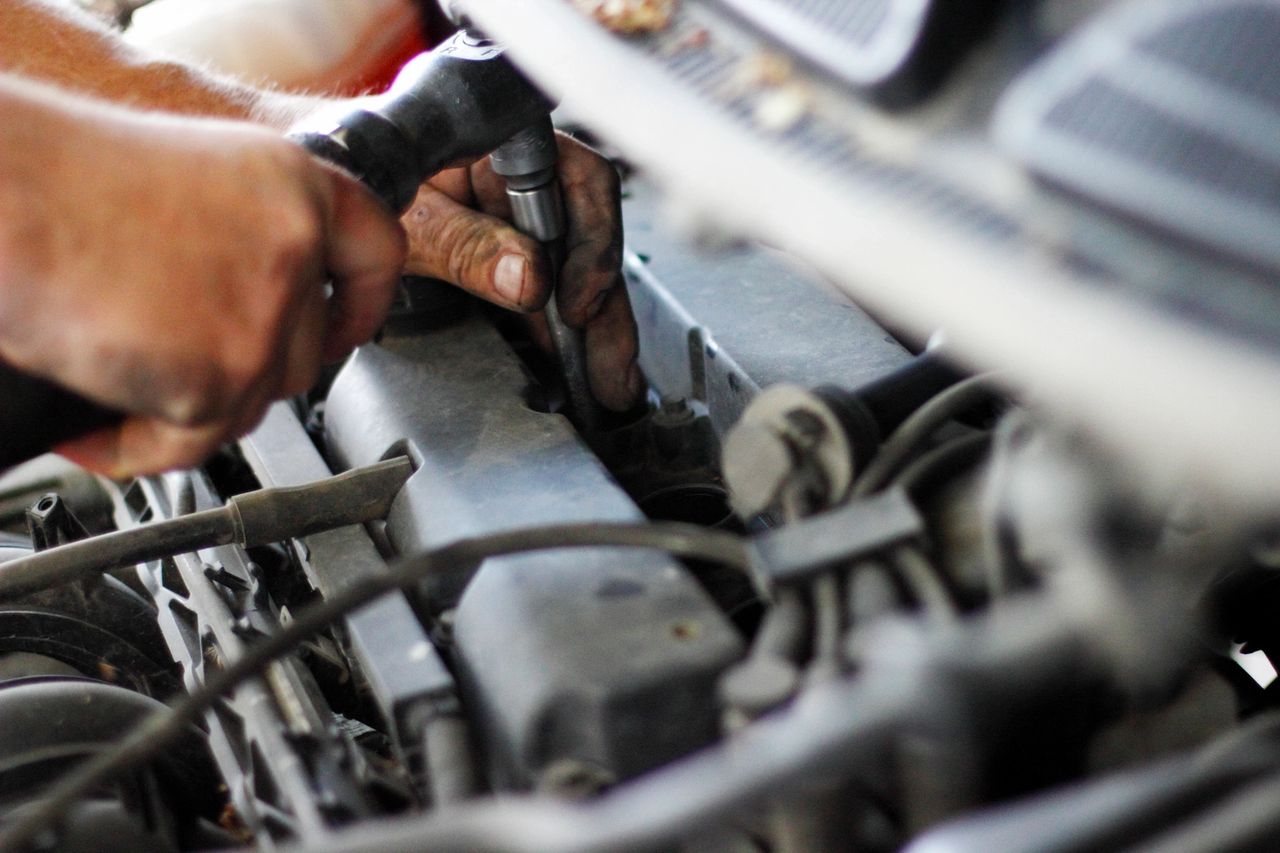
Getting an oil change might not feel urgent when your car’s running fine, but waiting too long can lead to serious engine trouble. Old, dirty oil loses its ability to lubricate, protect, and cool critical engine components. Over time, this can cause parts to wear out faster, reduce fuel efficiency, and trigger expensive repairs.
In Escondido’s stop-and-go traffic and fluctuating temperatures, your vehicle’s engine faces extra stress. Clean oil is your first line of defense. That’s why understanding the right oil change interval is more than just following a sticker on your windshield — it’s about preventing breakdowns and keeping your car reliable for the long haul.
Most car manufacturers recommend an oil change every 5,000 to 7,500 miles. That works under ideal conditions — mild weather, highway driving, no heavy loads. But most drivers in Escondido don’t operate under ideal conditions. City driving, short trips, and even our local dust can impact engine performance and oil longevity.
Let’s say you work in North County and commute daily. That 20-minute trip with frequent stops adds wear and tear that factory recommendations don’t fully account for. So while your owner’s manual is a good starting point, it’s not the full story. Listening to your vehicle and paying attention to how and where you drive is just as important.
Sometimes your car tells you it needs fresh oil long before the mileage hits. If you notice engine noise that wasn’t there before, a drop in fuel economy, or if your check engine light comes on, don’t wait. These are signs that your oil might not be doing its job anymore.
Another red flag is oil that’s thick and gritty on the dipstick. If it looks like sludge, it probably is — and sludge can block oil passages and lead to overheating. Even if everything feels normal, time alone can break oil down. If it’s been over six months since your last oil change, that oil could be oxidizing and becoming acidic. That’s not something you want circulating through your engine.
Choosing between conventional and synthetic oil makes a difference, especially in a place like Escondido where weather and driving conditions vary. Synthetic oil is designed to resist breakdown longer and offers better protection in both hot and cold temperatures. It also flows better on cold starts and holds up under heavy loads or aggressive driving.
If you tow trailers, commute in traffic, or tend to accelerate quickly, synthetic oil gives your engine added durability. Yes, it costs more upfront. But it may save you money over time by extending the intervals between changes and protecting your engine better.
On the other hand, conventional oil still gets the job done for older vehicles or those driven gently under mild conditions. Just keep in mind it typically needs to be changed more often. Your mechanic can help you choose the right oil based on how you drive and the age of your car.
One of the biggest myths out there is that newer vehicles don’t need frequent oil changes. While it’s true that engine technology has improved, the oil still breaks down over time. Pushing past recommended intervals might not show problems immediately, but it will catch up with you eventually — usually in the form of worn seals, low compression, or engine overheating.
Another common misconception is that if the oil looks clean, it’s fine. Unfortunately, visual checks don’t always tell the whole story. Oil can lose its chemical effectiveness long before it becomes visibly dirty. And relying too much on dashboard alerts can be risky — those sensors sometimes fail or only activate after damage begins.
When you bring your vehicle in for an oil change, it’s more than just a drain-and-fill. A good mechanic will also check your oil filter, top off other fluids, inspect your belts and hoses, and keep an eye out for early signs of wear. It’s a quick service that gives you peace of mind and helps catch problems before they escalate.
In North County, it’s also smart to ask for a multi-point inspection while you’re there. Our weather and terrain can wear down parts faster than you’d think, especially if you’re regularly driving up to Palomar Mountain or down toward the coast.
Some shops try to rush oil changes out the door. That’s where attention to detail matters. Make sure your mechanic checks for proper oil levels, uses the right grade, and properly disposes of the old oil. Quality of service is just as important as timing.
Summer heat and long drives can strain your engine and break down oil faster. Cold weather starts (yes, even in Southern California it matters) can thicken oil and slow its circulation. If you’re someone who parks outside or doesn’t drive often, seasonal shifts can create condensation in the engine, leading to water mixing with the oil — which degrades it faster.
If you tend to take road trips in summer or visit the mountains in winter, it’s smart to schedule an oil change before and after high-demand driving seasons. That way, your engine is always protected when you need it most.
It’s easy to put off maintenance when your car seems to be running fine. But pushing past your oil change interval puts your engine at risk. Internal parts rely on clean, flowing oil to avoid heat and friction damage. Without it, metal grinds against metal, leading to breakdowns and costly engine repairs — or even full replacements.
Think of oil changes as cheap insurance. For the cost of a tank of gas, you’re preserving the life of a machine that costs tens of thousands of dollars to replace. That’s especially important if you plan on keeping your car long term or want to retain resale value.
If you’re due — or overdue — for an oil change, it’s a smart move to get it done sooner rather than later. Regular service keeps your vehicle running smoother, longer, and more efficiently. Whether you’re sticking with conventional or switching to synthetic, staying on top of your oil change schedule is one of the easiest and most cost-effective ways to protect your investment.
For reliable Escondido oil change service backed by real automotive expertise, contact the team at Escondido Auto Tech . They’ll help you choose the right oil for your driving habits and make sure every part of the job is done right the first time. Give your engine what it needs — and save yourself from headaches down the road.