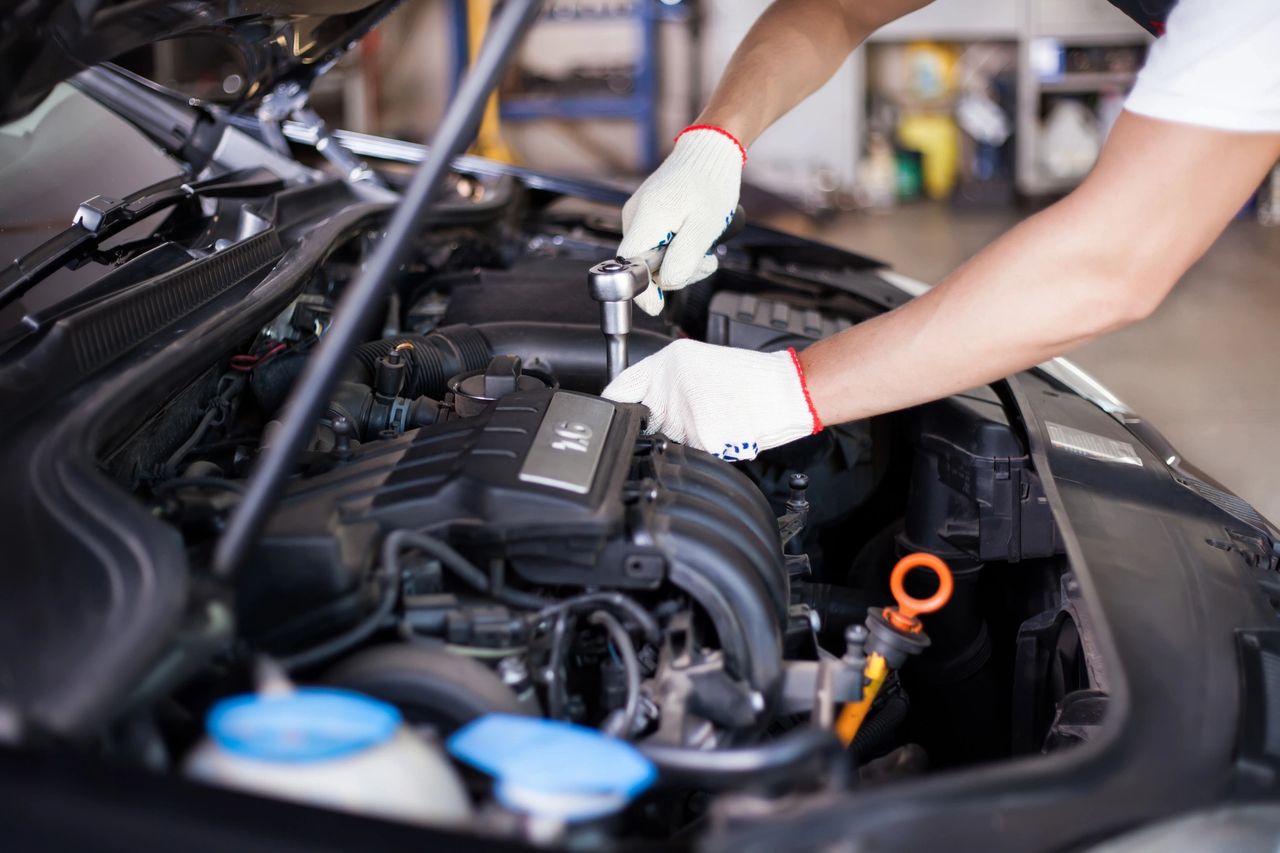
Your car’s charging system is more than just the battery under your hood. It’s a complex network of components working together to keep your vehicle running smoothly. Without a properly functioning charging system, you risk being stranded with a car that won’t start or electronics that malfunction. By keeping your car charging system in top shape, you ensure a reliable ride regardless of the season. Here’s how to maintain your Escondido car charging system year-round in a way that doesn’t just cover the basics but takes a holistic view of maintenance.
To effectively maintain your car’s charging system, it’s essential to understand what parts make it up. The car charging system consists primarily of the alternator, battery, voltage regulator, and wiring. The alternator powers your electrical components while keeping the battery charged, and the voltage regulator ensures that voltage levels stay steady. Each part of the system needs attention to keep your car running without any hitches.
Your alternator plays a critical role in generating electricity while your car runs, making it a key part of the charging system. Keeping an eye on the alternator doesn’t just mean watching for warning lights; it means being aware of signs such as flickering lights, strange noises, or erratic gauges. Once these signs are noticed, address them promptly to prevent a total system failure. Having your alternator regularly tested can save you from sudden surprises on the road.
The battery is the heart of your car’s charging system, so regular maintenance is non-negotiable. For optimal battery health, check for corrosion around the terminals and make sure the battery is tightly secured to avoid damage from vibrations. Testing your battery’s voltage periodically is also important—a healthy battery should read around 12.6 volts when the car is off.
Consider your driving habits and how they impact the battery. If you often take short trips, your alternator might not have enough time to fully recharge the battery, leading to reduced battery life. Try to occasionally drive longer distances to keep the battery in its best shape.
Often, the voltage regulator is an overlooked part of the charging system. However, if the voltage regulator malfunctions, the alternator may undercharge or overcharge your battery, which can cause permanent damage. Regular inspections, either by yourself or a professional mechanic, can ensure the voltage regulator is functioning properly, thereby protecting your battery and electrical components.
Wiring and connections often go unnoticed, but they are the silent backbone of the charging system. Loose, frayed, or corroded wires can prevent your charging system from working correctly. Check your wiring for signs of damage or wear. Additionally, ensure that the connections are snug and corrosion-free. Investing time in this area can prevent charging system issues that might leave you puzzled and stranded.
Your car’s charging system requires different care based on the season. Extreme temperatures, both hot and cold, can have an impact. Here are some tips for maintaining your charging system throughout the year:
- Summer Heat Management: Heat is a battery killer. In summer, ensure your battery is topped up with distilled water if it’s not a maintenance-free type. Shielding the battery from high temperatures helps maintain its efficiency. If possible, park in shaded areas to reduce temperature spikes. - Winter Readiness: Cold weather puts added strain on your battery. Before winter hits, have your battery tested to make sure it’s strong enough to handle low temperatures. Keeping your car inside a garage, if available, can also help maintain the battery’s temperature during harsh winter nights.
The alternator belt connects the alternator to the engine, allowing it to spin and generate power. Over time, belts can become cracked, frayed, or loose. Inspect the alternator belt for any signs of wear and tear, and make sure it has the proper tension. If it feels too loose or shows visible damage, have it replaced. A worn belt can significantly reduce the effectiveness of your charging system and can even snap, leaving you without power in the middle of a drive.
Your driving habits can directly impact the charging system’s efficiency. Constant stop-and-go driving can stress the alternator, battery, and other electrical components. Consider taking longer drives from time to time to give the charging system the opportunity to run more smoothly and efficiently.
Another key tip is to avoid excessive use of electrical systems when the engine isn’t running. The more electronics you use while the engine is off, the quicker your battery will drain, putting unnecessary strain on the entire charging system. Make it a habit to turn off lights, wipers, and air conditioning before switching off the engine.
- Inspect battery terminals for corrosion and clean as needed. - Test battery voltage at least twice a year. - Inspect alternator belts and replace if cracked or loose. - Check wiring for wear, fraying, or corrosion. - Avoid using electrical systems (like the radio or lights) when the engine is off. - Have your alternator output checked during regular vehicle inspections. - Park in shaded areas during summer and garage your vehicle during winter to protect the battery from extreme temperatures.
While there is a lot you can do yourself to keep your car charging system in good condition, professional help is essential for comprehensive care. A qualified mechanic can perform diagnostic tests on the entire system, pinpointing issues that might be easy to miss. Routine check-ups and proactive maintenance by an expert can significantly prolong the life of your battery and alternator, saving you time and money in the long run.
Maintaining your car’s charging system is vital to keeping your vehicle dependable all year. By focusing on the health of the alternator, battery, wiring, and even the often-overlooked voltage regulator, you can ensure your car runs smoothly regardless of the season. Regular check-ups, both DIY and professional, along with good driving habits, will keep your charging system in top shape and help prevent unexpected breakdowns. With the right care, your car will be ready to hit the road whenever you are.