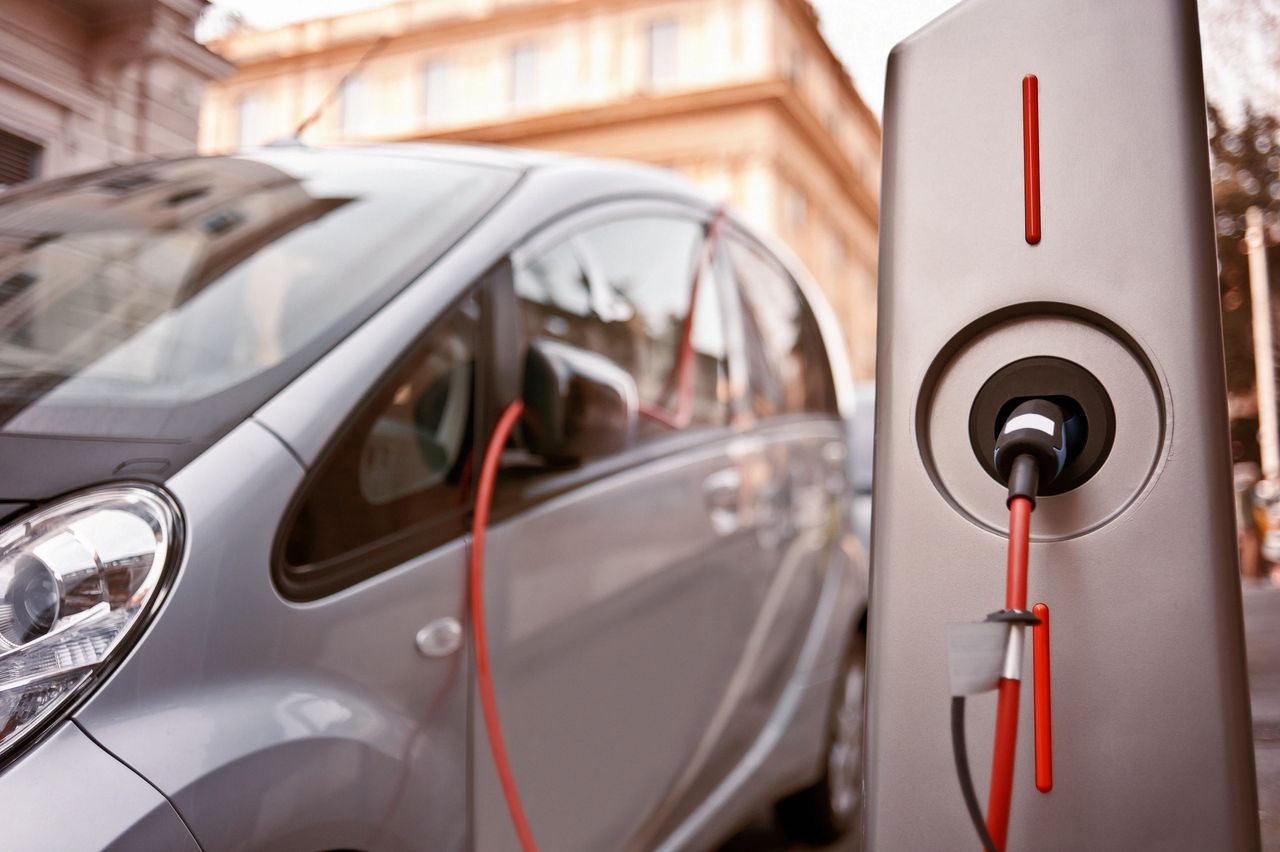
Holiday travel puts a unique strain on electric vehicles, and drivers in San Marcos feel it even more when temperatures drop and road demands increase. San Marcos EV repair becomes especially important during late fall and winter, because battery performance, charging consistency, and system efficiency shift with seasonal conditions. Many EV owners don’t realize that holiday travel can expose weak points that stay hidden during normal daily driving. A little preparation can prevent unexpected headaches, roadside downtime, and expensive repairs. This guide breaks down how to get your EV ready for longer seasonal trips so you can hit the road with confidence.
Why EVs Need Extra Attention Before Holiday Travel
Electric vehicles are reliable machines, but they react differently to seasonal conditions than gas-powered cars. Cold temperatures reduce battery efficiency, and long-distance trips require more planning because charging needs increase. When you’re traveling for holiday events, visiting family, or tackling heavy freeway traffic, a small oversight can turn into a big delay. Many drivers only find out their car needed attention after they’ve already packed the trunk and hit the road. That’s why checking critical systems ahead of time can make a real difference in how your trip unfolds.
Most EV owners only schedule service when a warning light pops up, but holiday travel introduces far heavier electrical loads. Between the heater, seat warmers, lights, charging accessories, and stop-and-go traffic, EVs work harder than usual. This increased demand brings issues like slow charging, reduced range, or sudden error messages to the surface. Thinking ahead helps you avoid those surprises.
Battery Health Matters for Every Holiday Trip
Your battery is the heart of your EV, and it deserves special attention before long-distance winter travel. Cold weather changes how lithium-ion cells behave, and those changes show up in range, charging speed, and overall performance. Even a healthy battery can temporarily lose 20 to 30 percent of its range in colder temperatures. If it’s already aging or hasn’t been checked in a while, that loss may be more significant.
A technician can run a full diagnostic to check how your battery is aging and how well it holds a charge under load. Many drivers assume the battery is fine because the dashboard doesn’t show warnings, but internal degradation isn’t always obvious. For example, if your EV seems to charge slower at home or you’re noticing more frequent charging stops, those are early signs your battery might need attention.
Trip planning also hinges on how accurate your range estimates are. A healthy battery helps your EV calculate range more reliably so you’re not scrambling to find a charger along the highway. Testing, balancing, and conditioning the battery ahead of time helps the vehicle manage cold-weather demands more efficiently.
Charging System Checks Keep You Moving
Holiday travel exposes EV charging systems to their limits. A weak onboard charger, loose connector, or failing charging module can slow your schedule to a crawl. When temperatures drop, these small weaknesses can turn into charging interruptions.
A good seasonal service appointment includes inspecting the charging port, connectors, onboard charger, and power distribution modules. A technician also checks for corrosion, damaged seals, and software issues that affect charging performance. You’d be surprised how often small debris, moisture, or loose protective covers cause charging errors.
Drivers should also consider how charging habits change during holiday travel. Fast charging becomes more common, and frequent fast charging generates heat that can stress the system. If the vehicle’s cooling system hasn’t been serviced recently, the charger may restrict speed to protect itself. A pre-trip check ensures everything is ready for these added demands.
Cabin Heating and HVAC Efficiency Play a Bigger Role Than You Think
EV heaters draw power directly from the battery. During holiday trips, especially early morning departures or late-night returns, cabin heat can take a noticeable chunk out of your range. EV heater performance can also decline if the HVAC system hasn’t been serviced or the cabin air filter is clogged.
Even though filters seem minor, they affect airflow, which affects heating efficiency. If you’ve noticed slow window defrosting or uneven warmth in the cabin, it’s time to get the HVAC system looked at. During holiday traffic, you rely heavily on climate control for comfort and safety, and a neglected system can cut range faster than you expect.
Tire Condition Impacts EV Range and Safety
Holiday travel often means driving with heavier loads, cold pavement, and changing road conditions. EVs are heavier than gas-powered cars because of the battery, and that extra weight wears tires faster. If your tires are aging, unevenly worn, or underinflated, winter trips will make the problems more obvious.
Underinflated tires reduce range and cause the motor to work harder. Worn tires make traction unpredictable, especially during early morning frost or light rain. Getting your tires inspected for alignment, tread depth, and proper inflation is one of the simplest ways to protect both range and safety.
Braking System Performance Affects EV Handling
Regenerative braking is one of the best features of an EV, but it doesn’t replace a healthy brake system. During holiday travel, regen braking can behave differently in cold weather or on slick roads. If the brake fluid is old or the pads are worn, the mechanical brakes may need to work harder than they should.
A technician will check the pads, rotors, fluid condition, and brake electronics. Since EVs rely on software to manage regen and mechanical braking together, software calibration matters just as much as hardware condition. If you’ve noticed reduced regen performance or inconsistent braking, it’s smarter to address it before hitting the road.
Software Updates Can Improve Winter Performance
EV manufacturers release seasonal updates that improve battery preconditioning, charging efficiency, HVAC behavior, and cold-weather handling. Many owners ignore software updates until the vehicle forces them to install one, but these updates can make a major difference during winter travel.
Some updates help your EV warm the battery more efficiently before charging. Others improve range calculations or add updated charging station information. Keeping software current ensures your vehicle is working with the best tools available for holiday driving.
What to Bring on the Road for EV Holiday Trips
Most EV trips go smoothly, but holiday traffic and cold weather can stretch your patience. Packing a small EV travel kit keeps you prepared for delays or unexpected stops. A typical kit might include a portable charger, gloves for handling cold charging cables, a tire inflator, and a flashlight. These simple items save time if you end up at a busy charging station or need to adjust your tires along the way.
Smart Planning Keeps EV Travel Stress-Free
Plan your charging stops before you leave San Marcos, and try to charge during meal breaks or rest stops. Holiday weekends often crowd popular stations, so having a backup charging location in mind prevents last-minute scrambles. You can also benefit from leaving with a pre-conditioned battery, especially on cold mornings, because it improves charging speed once you reach your first station.
Even with planning, it’s worth having your EV inspected by a technician who understands the demands of winter holiday travel. A thorough checkup often uncovers small problems you didn’t know were there.
Why Professional San Marcos EV Repair Makes Travel Easier
Electric vehicles reward drivers who stay ahead on maintenance. A shop familiar with San Marcos EV repair will know what local drivers deal with during winter months. From battery conditioning to charging diagnostics, specialists can prepare your vehicle better than quick maintenance shops that don’t work on EVs daily.
They can also give practical advice for your specific model. Not all EVs handle cold weather the same way, and different manufacturers have different quirks. A tailored inspection helps you avoid range anxiety and makes your trip smoother.
San Marcos Holiday EV Prep and Final Tips
Holiday travel is already stressful, and your electric vehicle shouldn’t add to the chaos. A little preparation goes a long way, especially when cold weather and long-distance driving start affecting battery performance, charging behavior, and range. If you want your EV ready for family visits, seasonal events, and winter road conditions, a professional inspection is the smartest move you can make. Contact Escondido Auto Tech today to schedule your holiday EV service and make sure your electric vehicle is fully prepared for the road ahead.