In today’s fast-evolving automotive landscape, safety is more than just a feature; it’s a necessity. As collisions become an ever-present concern on Escondido’s busy roadways, vehicle pre-collision systems have emerged as a critical line of defense against potential accidents. These advanced systems are designed to detect imminent dangers and react faster than human reflexes ever could, significantly reducing the likelihood of collisions and mitigating their severity. With stringent regulatory measures like CA BAR standards ensuring that these technologies perform reliably, drivers can now experience enhanced protection and peace of mind on every journey.
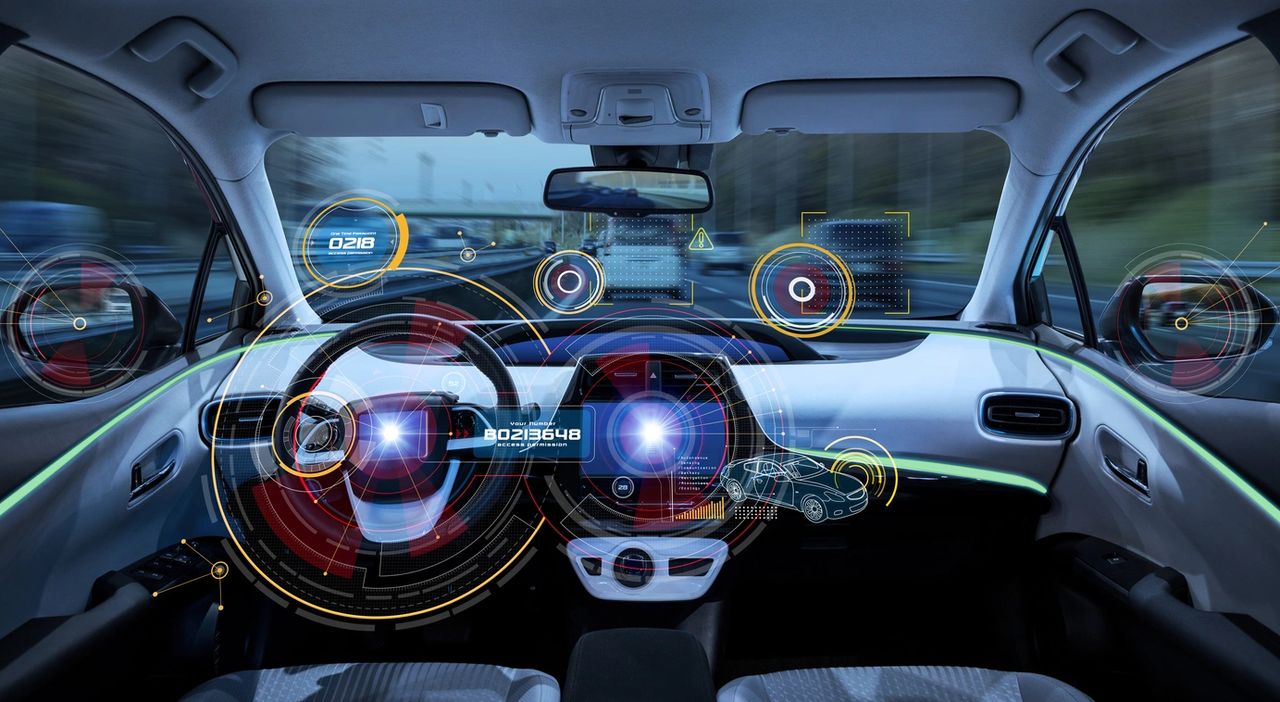
Vehicle pre-collision systems represent a fusion of cutting-edge sensor technology, real-time data processing, and automated response mechanisms. At their core, these systems are engineered to monitor the environment around your vehicle, using a combination of radar, cameras, and ultrasonic sensors. By continuously scanning the road ahead, these systems can identify potential hazards—such as sudden stops by the vehicle in front, pedestrians crossing the street, or unexpected obstacles—and determine whether a collision is imminent.
The essence of pre-collision technology lies in its ability to anticipate rather than simply react to dangerous situations. Once a threat is detected, the system alerts the driver through audible and visual warnings, prompting an immediate response. In more advanced models, the system may even engage automatic braking if the driver fails to respond in time. This dual approach of warning and intervention is central to boosting vehicle safety and ensuring that the chances of a serious accident are minimized.
By integrating such sophisticated technologies, modern vehicles are not only meeting the expectations of today’s safety standards but are also paving the way for future innovations in automotive design. This proactive approach to safety is a clear example of how technology can be harnessed to create a safer driving environment for everyone.
Pre-collision systems operate through a seamless blend of hardware and software that work together to detect and react to potential hazards. The hardware typically includes an array of sensors strategically placed around the vehicle. Radar sensors, for example, emit radio waves to gauge the distance and speed of objects ahead, while cameras provide visual confirmation of obstacles. Ultrasonic sensors add another layer of detection, especially useful for identifying objects in close proximity at low speeds.
The software component of these systems is equally crucial. Advanced algorithms process the data from these sensors in real time, calculating the likelihood of a collision based on the relative speed, distance, and trajectory of nearby objects. When the system determines that a collision is imminent, it immediately sends out warnings to the driver. In vehicles equipped with automatic braking features, the system can override driver input to decelerate the car, thereby reducing the impact or potentially avoiding the collision altogether.
This rapid and coordinated response can be the difference between a near miss and a serious accident. The technology not only enhances safety by providing timely alerts but also by actively taking steps to mitigate the damage when human reaction might fall short. As automotive technologies continue to evolve, these systems are becoming increasingly sophisticated, integrating machine learning and artificial intelligence to improve their predictive capabilities over time.
The development of vehicle pre-collision systems has been fueled by remarkable technological advancements over the past decade. Innovations in sensor technology have dramatically improved the accuracy and reliability of these systems. Modern radar and camera sensors now offer higher resolution and faster data processing, enabling them to detect even the most subtle changes in the driving environment. This enhanced sensitivity means that potential hazards can be identified much earlier than was previously possible.
In addition to hardware improvements, software innovations have played a critical role. The integration of artificial intelligence allows pre-collision systems to learn from vast amounts of driving data, refining their algorithms to better predict and respond to various road conditions. This continuous learning process ensures that the system adapts to different driving scenarios—whether in heavy city traffic or on winding rural roads—improving its performance with each passing mile.
Sensor fusion technology has revolutionized how data from different sensors is combined. By merging inputs from radar, cameras, and ultrasonic sensors, the system gains a comprehensive view of the vehicle’s surroundings. This holistic approach not only enhances the accuracy of hazard detection but also minimizes false alarms, ensuring that drivers receive reliable alerts when they are truly needed.
Automakers are also exploring the integration of pre-collision systems with other advanced driver-assistance systems (ADAS), such as lane departure warnings and adaptive cruise control. This synergy of technologies creates a network of safety features that work in unison, further elevating the overall safety of the vehicle. With each technological breakthrough, the potential for pre-collision systems to save lives and reduce injuries becomes even more significant.
One of the most critical factors in the successful implementation of vehicle pre-collision systems is adherence to established safety standards. In California, the CA BAR standards provide a robust framework for ensuring that all vehicle safety systems, including pre-collision technologies, meet strict performance and reliability criteria. These standards not only govern the design and functionality of the systems but also dictate regular inspections and maintenance protocols.
Compliance with CA BAR standards means that vehicle manufacturers and service centers must adhere to rigorous testing and quality assurance processes. This ensures that every component, from the sensors to the software algorithms, is functioning at its optimum level. For Escondido drivers, this translates into a higher degree of confidence that their vehicle’s safety systems will perform reliably when it matters most.
These standards help to standardize safety measures across different makes and models, providing a consistent level of protection for all drivers. The uniformity offered by CA BAR standards also aids in the development of new technologies, as manufacturers can design systems that integrate seamlessly with existing regulatory requirements. Ultimately, the role of these standards is to foster an environment where innovation and safety go hand in hand, setting the stage for a future of increasingly secure automotive experiences.
Even the most advanced pre-collision systems require regular maintenance to function at their best. Over time, factors such as environmental exposure, physical wear, and even minor accidents can impact the performance of these critical safety components. Routine inspections and maintenance are essential to ensure that sensors remain clean, aligned, and fully operational.
A common maintenance tip is to regularly clean the sensors and cameras that make up the pre-collision system. Dirt, grime, and even snow can obstruct these devices, diminishing their ability to accurately detect hazards. A simple wipe-down with a soft cloth and appropriate cleaning solution can often restore sensor functionality. Additionally, routine software updates are crucial as manufacturers frequently release improvements that enhance system performance and fix potential bugs.
Drivers should also be aware of warning signals on their vehicle’s dashboard. If the pre-collision system indicates a malfunction—whether through an illuminated warning light or an on-screen message—it’s important to address the issue immediately. Prompt professional inspection and repair can prevent minor issues from evolving into major safety hazards. In many cases, specialized service centers offer calibration and diagnostic services to ensure that your vehicle’s pre-collision system remains in top condition.
For those who perform their own vehicle maintenance, consulting the owner’s manual for specific guidelines on sensor cleaning and software updates is recommended. However, given the complexity of these systems, many drivers find that entrusting their vehicle’s maintenance to professional auto repair services is the best approach. This not only guarantees that the work is done according to industry standards but also ensures that any potential issues are identified before they compromise safety.
The future of automotive safety is being reshaped by the continuous evolution of pre-collision systems and other advanced safety technologies. As vehicles become more connected and autonomous, the integration of various safety features is poised to reach new heights. The convergence of vehicle-to-vehicle (V2V) communication, artificial intelligence, and sensor technology promises to create a network of interconnected systems that work together to prevent accidents before they occur.
One exciting development on the horizon is the potential for pre-collision systems to share data with nearby vehicles and infrastructure. This real-time exchange of information could alert drivers to hazards that are not yet in their immediate field of view, such as sudden traffic slowdowns or accidents around blind corners. As this technology matures, it could dramatically reduce the response time to dangerous situations, further enhancing road safety.
Additionally, advancements in machine learning will continue to refine the predictive capabilities of pre-collision systems. By analyzing vast amounts of driving data, these systems will become even more adept at identifying subtle patterns that precede accidents. This data-driven approach not only improves the accuracy of hazard detection but also paves the way for innovations in personalized safety systems that adapt to individual driving habits and conditions.
The ongoing collaboration between automakers, technology companies, and regulatory bodies will ensure that these advancements adhere to stringent safety standards like those outlined in CA BAR. This collaborative environment fosters innovation while maintaining a steadfast commitment to driver safety. As pre-collision systems and other ADAS features become increasingly integrated, the automotive industry is set to enter a new era of safety and reliability.
In conclusion, the rapid evolution of vehicle pre-collision systems is transforming the way we approach automotive safety. These advanced systems, powered by state-of-the-art sensors and sophisticated software, are not only capable of detecting potential collisions but are also equipped to take decisive action to prevent them. By aligning with strict CA BAR standards and embracing continuous technological innovation, these systems are setting a new benchmark for safety on the road.
Regular maintenance, prompt attention to dashboard warnings, and professional calibration are essential to keep your pre-collision system operating at peak performance. For drivers who prioritize safety, understanding and maintaining these systems is an investment in their well-being and the well-being of everyone on the road. When it comes to ensuring that your vehicle remains at the forefront of safety technology, nothing replaces the expertise of a seasoned professional.
If you are in need of high-quality inspections, calibrations, or repairs for your advanced vehicle safety systems, consider reaching out to a trusted service provider. For top-notch service and expert care in ensuring that your vehicle’s pre-collision system remains effective and compliant, contact Escondido Auto Tech today. Their commitment to excellence in auto repair and safety system maintenance ensures that every drive is as safe as possible.