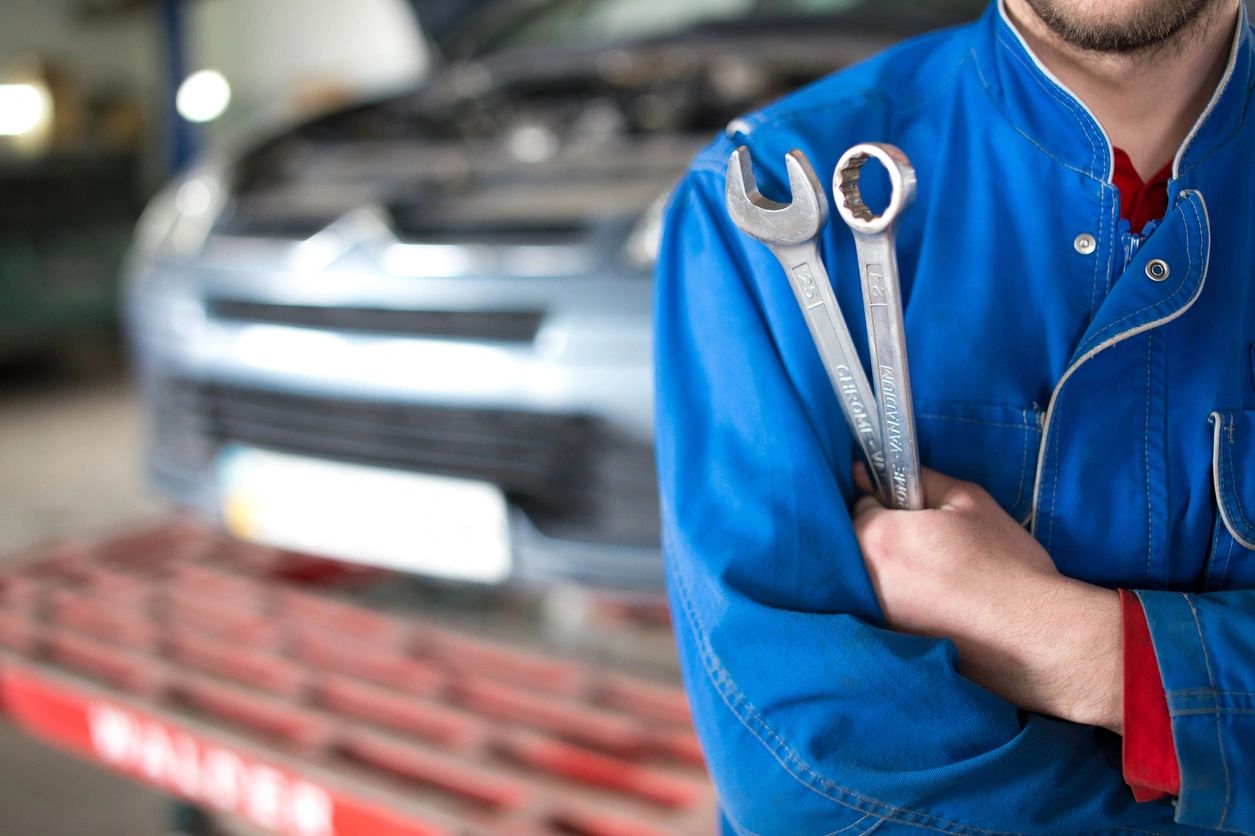
Driving on San Diego’s busy streets is an everyday adventure, but it comes with responsibilities—especially when it comes to vehicle safety. Every driver wants assurance that their car will perform flawlessly in unexpected situations. A key part of that assurance is a regularly maintained safety system that meets strict standards like those set by the CA BAR. This comprehensive guide delves into why safety checks are essential, explores the core components of a modern vehicle safety system, and explains how professional services from a San Diego licensed vehicle safety systems inspection station and quality San Diego auto repair shops help ensure your peace of mind.
Vehicle safety systems are the unsung heroes of your daily drive. They work behind the scenes to prevent accidents and protect you, your passengers, and even pedestrians. Regular safety checks are not just about compliance; they’re about maintaining the integrity of components that could one day mean the difference between a minor mishap and a major incident. For instance, routine maintenance can prevent sudden brake failure or the malfunction of airbag sensors. Both issues that could otherwise lead to devastating outcomes.
With a busy schedule, we often neglect the subtle signs of wear and tear. Vibrations in the steering wheel, unusual noises from the engine bay, or a slightly sluggish response when applying the brakes may seem trivial at first. However, these early indicators might point to deeper problems that, if left unchecked, could escalate into safety hazards. This is why regular inspections at a San Diego licensed vehicle safety systems inspection station are vital. Such facilities not only adhere to stringent CA BAR standards but also provide the diagnostic expertise required to keep your vehicle in peak condition.
The importance of these checks goes beyond just your own safety. In many regions, including North County, compliance with CA BAR standards is legally mandated. Failure to adhere to these standards can lead to penalties or even invalidate your vehicle’s insurance in the event of an accident. Therefore, investing time and resources into regular safety checks is both a legal responsibility and a personal commitment to road safety.
Modern vehicles are equipped with a host of safety features designed to protect everyone on board. Each component plays a crucial role in the overall safety matrix of your car. One of the primary systems is the braking system, which is arguably the most critical safety mechanism. Quality brakes ensure that your car can come to a halt promptly, even under challenging conditions. A minor delay in braking response can escalate a simple accident into a life-threatening situation.
Airbags are another critical element. These systems are engineered to deploy instantly upon impact, cushioning occupants from the force of a collision. However, airbags are only effective if their sensors and deployment mechanisms are well maintained. Over time, exposure to extreme temperatures and physical wear can diminish their reliability. Regular inspections help verify that these systems are primed to function correctly during emergencies.
The vehicle’s lighting system is equally important. Headlights, brake lights, and turn signals must operate flawlessly to communicate your intentions to other drivers and to ensure you have optimal visibility during night-time driving or adverse weather conditions. Inadequate lighting not only jeopardizes your safety but can also result in traffic violations.
Tires, often overlooked, are the only part of your vehicle that comes into direct contact with the road. The tread pattern, pressure, and overall condition of your tires directly influence your car’s handling and braking capabilities. A well-maintained tire system ensures that your vehicle remains stable, especially when navigating slippery or uneven road surfaces. Regular rotations, alignments, and pressure checks are indispensable practices to maximize tire longevity and safety.
Another vital system is the electronic stability control (ESC). This technology helps maintain vehicle control during extreme maneuvers or when sudden changes in road conditions occur. ESC systems are integrated with sensors and control modules that constantly monitor driving conditions. They provide real-time corrective actions to prevent skidding or rollover incidents. Ensuring that these sensors and software are updated and fully functional is crucial for your vehicle’s overall safety profile.
Windshield wipers and the defrost system also play an underrated role in safety. These systems maintain visibility during adverse weather conditions such as rain, snow, or fog. A malfunction in either system can dramatically reduce your reaction time in emergency situations. Thus, routine checks and timely replacements are essential to guarantee that these systems operate at peak performance.
In California, vehicle safety standards are among the strictest in the nation. The CA BAR standards ensure that every vehicle on the road adheres to stringent safety and performance criteria. These standards cover everything from brake efficiency and airbag performance to emissions and lighting. By aligning your vehicle maintenance routine with these standards, you ensure that your car is not only safe but also compliant with state regulations.
Meeting CA BAR standards is not a one-time event; it is an ongoing process. Regular inspections by a professional inspection station ensure that your vehicle continuously meets or exceeds these standards. This adherence not only boosts your vehicle’s safety profile but also adds to its longevity. When every component—from the braking system to the ESC—is checked and calibrated to meet CA BAR requirements, you gain a significant level of assurance that your vehicle will perform optimally, even in critical situations.
Adhering to these standards often translates into financial benefits. A well-maintained vehicle is less likely to incur major repairs or suffer from unexpected breakdowns. Insurance companies also favor vehicles that comply with established safety standards, which can lead to lower premiums over time. That is why regular safety checks become an investment in both your personal safety and your financial well-being.
One of the cornerstones of maintaining vehicle safety is getting regular inspections from a certified facility. A San Diego licensed vehicle safety systems inspection station provides specialized services that ensure every facet of your vehicle is scrutinized for safety compliance. These stations are equipped with the latest diagnostic tools and are staffed by experienced technicians who understand the intricacies of modern automotive systems.
At these inspection stations, technicians perform a thorough evaluation of all critical safety components. They inspect the braking system, verify the proper functioning of the airbags, and assess the condition of tires and lighting. Additionally, they check for any issues related to the electronic systems that govern your vehicle’s stability and control. This comprehensive approach guarantees that no aspect of your vehicle’s safety is overlooked.
A major advantage of using a licensed inspection station is that they work in strict accordance with CA BAR standards. This compliance ensures that the inspection process is rigorous and that any recommendations for repair or maintenance are based on the highest quality benchmarks. Such meticulous attention to detail provides you with the confidence that your vehicle is as safe as it can be.
The technicians at these stations are well-versed in the latest advancements in automotive safety. They can offer invaluable advice on preventive measures and recommend upgrades that might further enhance your vehicle’s performance. This blend of technical expertise and adherence to regulatory standards makes a licensed inspection station an indispensable resource for any vehicle owner committed to safety.
Maintaining a robust vehicle safety system requires more than just periodic inspections—it calls for proactive care and an understanding of your vehicle’s needs. One of the first tips is to adhere strictly to your vehicle’s maintenance schedule. This schedule, outlined by the manufacturer, provides a roadmap for when to perform essential services such as brake fluid replacement, tire rotations, and battery checks. Neglecting these intervals can lead to unexpected system failures that compromise your safety.
Another important practice is to pay close attention to the warning signals your vehicle provides. Modern cars are equipped with advanced diagnostic systems that alert you when something is amiss. When a warning light appears on the dashboard, it should never be ignored. Instead, consider it an early signal to have your vehicle checked by a professional. Addressing these alerts promptly can prevent small issues from developing into major, costly repairs.
Quality replacement parts are also crucial for maintaining the integrity of your safety systems. Whether it’s the brake pads, airbag sensors, or even the tiny bulbs in your lighting system, using OEM (Original Equipment Manufacturer) parts ensures that the components meet the stringent standards set by the manufacturer and regulatory bodies like CA BAR. High-quality parts are designed to work seamlessly with your vehicle’s system, providing reliability and longevity.
Environmental factors, too, play a role in the degradation of safety systems. Exposure to harsh weather conditions, road salt, and debris can accelerate wear on various components. For example, the rubber on tires and the seals in your braking system may deteriorate faster if not regularly inspected and maintained. Incorporating protective measures, such as regular cleaning and using products that guard against corrosion, can extend the life of these critical parts.
Another expert tip is to keep an open line of communication with your mechanic. Building a relationship with a knowledgeable technician means you’ll be better informed about the specific needs of your vehicle. These professionals can offer personalized advice, whether it’s recommending a specific type of oil for your engine or advising on the best practices for seasonal maintenance. Their insights, based on years of experience in San Diego auto repair, can save you both time and money while ensuring that your safety systems remain in top-notch condition.
Even with diligent maintenance and regular self-checks, there comes a time when professional intervention is necessary. Recognizing the signs that your vehicle’s safety system is underperforming is crucial. If you notice any irregularities—such as a soft brake pedal, delayed airbag deployment, or even persistent error codes on your dashboard—it’s time to consult an expert.
Professional San Diego auto repair services are well-equipped to diagnose and remedy a wide range of issues. These services often utilize state-of-the-art diagnostic tools that can pinpoint the exact cause of a malfunction, whether it’s an electronic glitch or a mechanical wear issue. With their deep understanding of vehicle systems and adherence to CA BAR standards, these professionals can provide targeted solutions that address both the symptoms and the root cause of the problem.
Additionally, many drivers overlook the importance of periodic calibration of advanced safety features such as collision avoidance systems and lane departure warnings. These systems rely on sensors and cameras that must be correctly aligned and calibrated. After any significant repair or even after routine maintenance, it’s a wise decision to have these systems tested to ensure that they remain fully functional. The expertise found in professional San Diego auto repair shops ensures that even these sophisticated components are given the attention they require.
Budgeting for professional services can seem daunting, but consider it an investment in your safety. The cost of a repair or an inspection today is far less than the potential financial and emotional toll of an accident caused by neglected safety systems. By opting for regular professional check-ups, you not only protect your vehicle but also safeguard your well-being and that of your passengers.
When selecting a service provider, look for certifications and licenses that vouch for the quality of the work. Reviews and testimonials from other drivers in the area can also be an excellent resource. Choosing a reputable service center that adheres to the highest standards in San Diego auto repair is essential to ensure that your vehicle receives the care it deserves.
Maintaining your vehicle’s safety system is an ongoing journey that requires attention to detail, adherence to CA BAR standards, and the expertise of seasoned professionals. From the critical role of brake systems and airbags to the advanced technology behind modern electronic safety features, every component works in unison to protect you on the road. Regular checks at a San Diego licensed vehicle safety systems inspection station, coupled with proactive maintenance and prompt professional repair, can significantly enhance your driving safety and reliability.
If you’re ready to take the next step in ensuring your vehicle is as safe as it can be, consider reaching out for a professional service. For trusted, high-quality maintenance and repair that prioritizes your safety, contact Escondido Auto Tech today.